How Much Does a Trip to China Cost? Real 2026 Numbers
The surprise most first-timers report on the flight home: how little they spent. Here are the real numbers.
Excluding international flights, a comfortable mid-range trip in China runs roughly $80–130 per person per day — nice hotels, restaurant meals, high-speed trains, attraction tickets. Budget travelers do it well on $40–60. That's 30–50% cheaper than Japan for an equivalent experience. Here's where the money actually goes.
The daily budget, broken down
- Hotels: international-chain 4-stars run ¥400–700 ($55–100) in major cities; solid local business hotels ¥250–400 ($35–55); hostels and guesthouses ¥80–150 ($11–21).
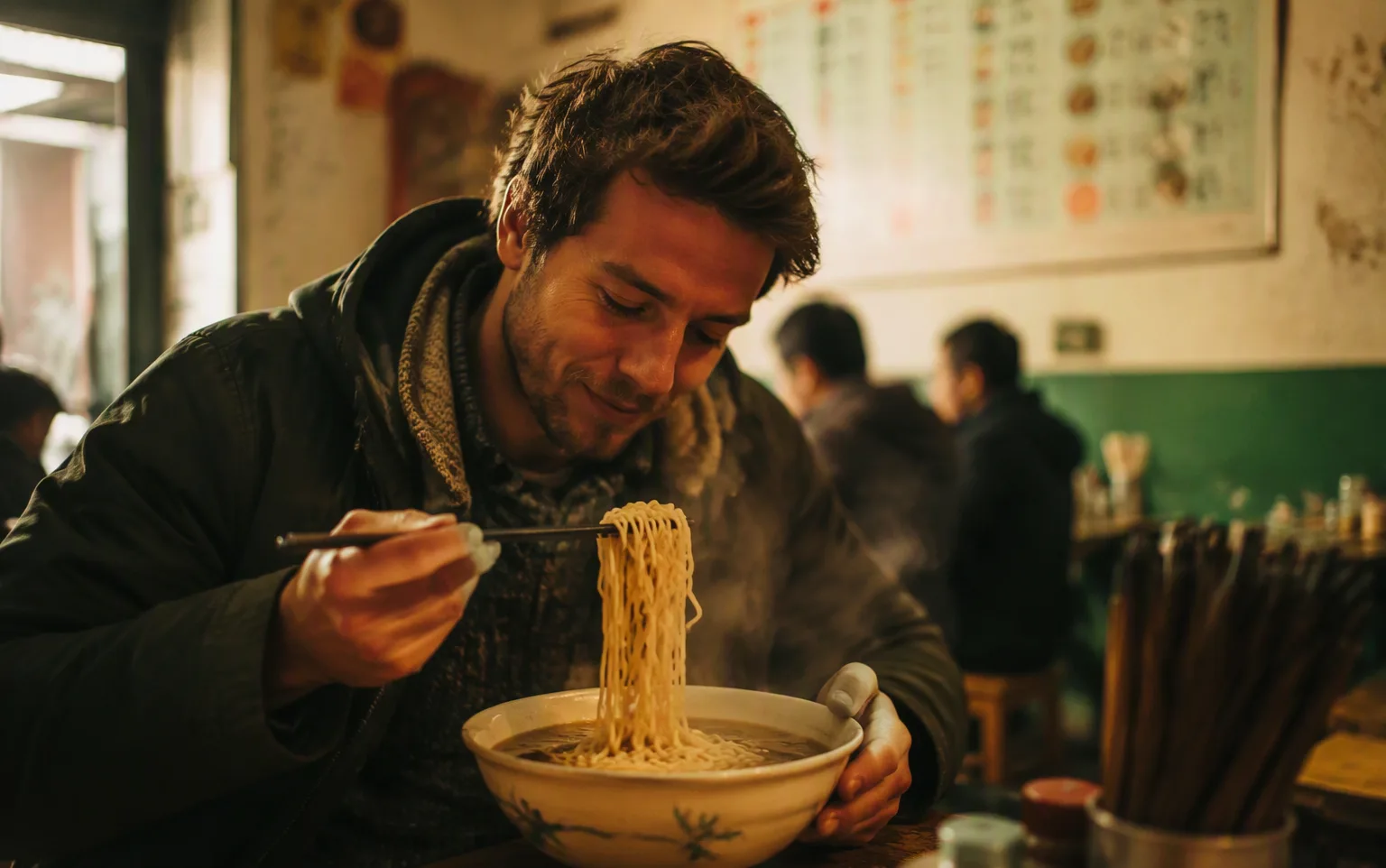
- Food: street breakfast ¥10–20 ($1.50–3); local restaurant lunch ¥30–60 ($4–8); a very good dinner ¥100–200 ($14–28) per person. Eating like a local is both better and cheaper.
- Metro: ¥3–9 (under $1.50) per ride, any city.
- Attractions: the big ones — Forbidden City ¥60 ($8.50), Terracotta Warriors ~¥120 ($17), panda base ¥55 ($8). Budget $10–20/day averaged out.
Trains: the intercity math
High-speed rail is how you'll move, and it's a bargain: Beijing–Xi'an ~¥515 ($72) second class, Xi'an–Shanghai ~¥670 ($94), Beijing–Shanghai ~¥553 ($78). Second class is perfectly comfortable — airline-style reclining seats, power outlets, smooth at 350 km/h. How to book with a foreign passport.
Three sample budgets (per person, per day, excluding flights)
- Backpacker: $40–60 — hostels, street food, metro, pick-your-moments attractions.
- Mid-range: $80–130 — 4-star hotels, restaurant meals, taxis when tired, everything you want to see.
- Comfort: $180–300 — 5-star hotels (often half their Western price), private drivers, business-class train seats, guided day tours.
Key point
Cash is nearly dead — but your foreign card works inside Alipay and WeChat Pay for almost everything. Small vendors occasionally trip on foreign cards; carry ¥300–500 ($40–70) in cash as back-pocket insurance. Full setup: our payments guide.
Where people overspend
- Airport taxis without the meter — use DiDi or the taxi queue.
- Trip-adjacent 'tea ceremonies' and art-student scams (see the Beijing itinerary).
- Booking trains through resellers with heavy markups — official channels or major platforms only.
Local services
Want a local to handle the tricky parts? Airport pickup, guides, custom itineraries.
Keep reading